Chieftaincy Title Ceremony Cost in Nigeria 2026
Full Guide
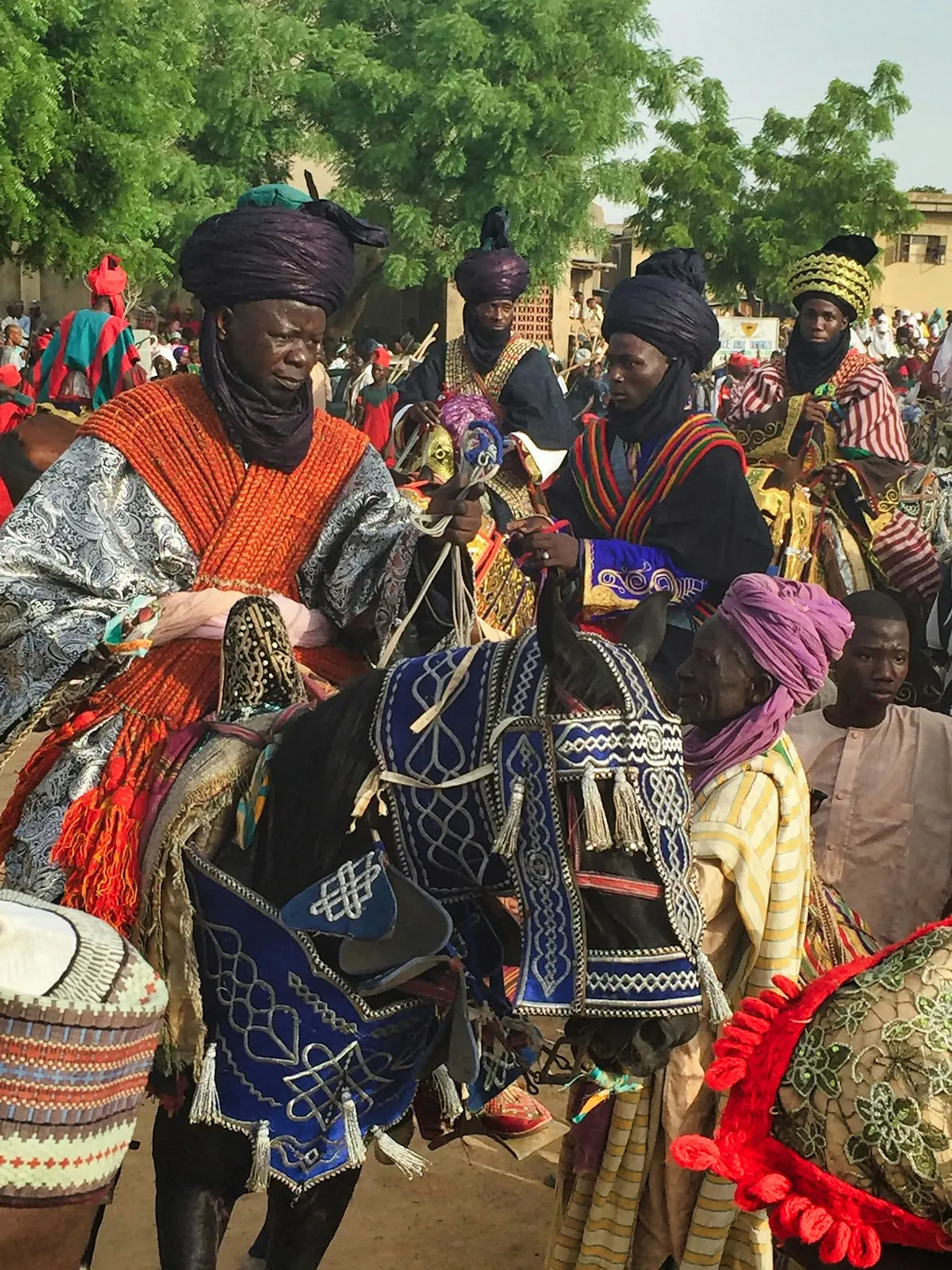
A chieftaincy title ceremony in Nigeria costs ₦2 million–₦50 million+ in 2026 when you combine the traditional obligations to the palace with the public celebration that follows. The title itself is an honour, not a purchase — but the community development contributions, traditional rites, regalia, and the reception the new chief is expected to host add up to one of the most expensive celebrations in Nigerian culture. A modest conferment with a small reception can be done for ₦2 million–₦5 million; a high-society Ofala-linked coronation with thousands of guests can pass ₦50 million.
Receiving a chieftaincy title — whether an Igbo Ozo or Nze, a Yoruba honorary chieftaincy, or a traditional stool — marks a person's standing in their community, and the celebration reflects that weight. This is a topic almost nobody explains clearly, so let's be straight about what's actually involved and what it costs, without pretending titles are simply bought. Figures reflect common practice across Nigerian communities in 2026 and vary widely by title, palace, and region.
How Much Does a Chieftaincy Title Ceremony Cost in Nigeria in 2026?
A chieftaincy title ceremony costs ₦2 million–₦50 million+ in 2026, driven mostly by the celebration rather than the conferment itself. Palace obligations, regalia, and a large reception are the biggest costs, and they scale enormously with the honoree's status.
Chieftaincy ceremony cost components
2026:
| Component | What It Covers | Typical Range |
|---|---|---|
| Community / development contribution | Expected donation to community projects | ₦500K–₦20M+ |
| Traditional rites & palace obligations | Kola, drinks, materials, cultural rites | ₦300K–₦3M |
| Regalia & insignia | Chieftaincy attire, cap, beads, staff | ₦300K–₦2M |
| Reception (venue, catering, drinks) | The public celebration | ₦1M–₦20M+ |
| Entertainment & cultural display | Band, cultural troupe, MC | ₦300K–₦5M |
The single biggest variable is the community contribution, which reflects the expectation that a titled person is a proven benefactor. This is why chieftaincy is described as an honour earned through service and standing — the financial commitment is part of demonstrating that.
What Happens at a Chieftaincy Title Ceremony?
The conferment takes place at the traditional ruler's palace, where the honoree is presented with the certificate of chieftaincy, regalia, and insignia by the Igwe, Oba, or Emir, followed by traditional rites and a public celebration. Titles are often conferred during festivals like the Igbo Ofala or a ruler's coronation anniversary.
The typical sequence:
- Nomination and approval by the traditional ruler and council, based on the person's standing and contributions
- Fulfilment of obligations — community contributions, traditional materials, and rites
- Conferment at the palace — presentation of the certificate, cap or beads, and staff of office
- Public celebration — the new chief hosts family, friends, and the community at a reception
- Cultural display — masquerades, traditional troupes, and music, especially in Igbo and Yoruba ceremonies
The reception is where the honoree gives back publicly — hosting the community that recognised them. It's often as large and lavish as a major society wedding.
How Do You Plan a Chieftaincy Celebration?
Treat it like a large, protocol-heavy event: confirm the palace requirements first, then plan the reception around a realistic guest count and budget. Because titled ceremonies carry strong cultural expectations, an experienced planner who understands the specific tradition is invaluable.
Practical planning notes:
- Clarify palace obligations early — every community and title has its own rites, materials, and contributions; confirm them in writing where possible
- Budget the reception separately from the conferment obligations, and set a firm guest number
- Protocol matters — seating for dignitaries, other chiefs, and the traditional ruler must be handled correctly
- Regalia takes time — bespoke chieftaincy attire, caps, and beads need lead time
- Hire cultural entertainment appropriate to the tradition — troupes, masquerades, or a live band
One honest note: the pressure to spend big is real, since a chieftaincy celebration is a public statement of standing. But dignity and correct protocol matter more to the community than raw extravagance. Plan to honour the tradition well, not simply to outspend the last titled person.
FAQ
How much does a chieftaincy title ceremony cost in Nigeria in 2026? ₦2 million–₦50 million+, combining community contributions, traditional rites, regalia, and the public reception. A modest conferment with a small reception can be done for ₦2 million–₦5 million, while a large Ofala-linked coronation for thousands of guests can exceed ₦50 million.
Do you pay for a chieftaincy title? A chieftaincy title is an honour conferred for standing and service, not a product you simply buy. However, honorees are typically expected to make significant community development contributions and fund traditional rites and a public celebration, which is where the large costs come from.
Where is a chieftaincy title conferred? At the traditional ruler's palace — the Igwe, Oba, or Emir presents the certificate, regalia, and insignia. In Igbo communities this often happens during the Ofala festival, and titles are also conferred at a ruler's coronation anniversary.
What is the difference between the conferment and the celebration? The conferment is the formal palace ceremony where the title is bestowed. The celebration is the public reception the new chief hosts afterwards for family, friends, and the community — usually the larger and more expensive part, comparable to a big society wedding.
How far in advance should I plan a chieftaincy celebration? Several months, especially if it coincides with a festival or coronation anniversary. Confirm the palace's obligations and rites early, commission bespoke regalia in good time, and plan the reception like any large, protocol-heavy event.
A chieftaincy title is one of the highest honours a Nigerian community can bestow — and the celebration around it is correspondingly weighty. The costs are real, but they flow from a culture of giving back, not simply spending.
Confirm the palace's obligations first, plan the reception like the major event it is, and lean on a planner who knows the specific tradition. Honour the custom with dignity and correct protocol, and the community will remember it the right way.
Estimate your budget with the free cost calculator, or browse all planning guides.
Related reading: Nigerian traditional marriage list 2026 · Burial & funeral cost in Nigeria 2026 · Naming ceremony cost in Nigeria 2026