Bridesmaid Dresses in Nigeria 2026
Styles and Prices
Most Nigerian bridal trains still sew their bridesmaid dresses from one chosen fabric, usually satin, chiffon or lace, in a style each girl picks to suit her body. Fabric and tailoring together come to roughly ₦20,000 to ₦85,000 per bridesmaid at a budget or mid-range wedding, and ₦110,000 to ₦210,000 at a premium one, before shoes, gele and makeup.
Below are the styles and fabrics that work for church and reception, what each costs, when buying ready-made makes sense (Jiji had 19 listings for "bridesmaid dress" on 7 November 2026), and a timeline so nobody is chasing a tailor the night before.
What bridesmaid dress styles are popular in Nigeria?
The most common bridesmaid styles at Nigerian weddings are the mermaid or fitted gown, the A-line maxi, the wrap dress, the one-shoulder gown and the corset-bodice dress with a flowing skirt. Many brides pick one fabric and colour, then let each bridesmaid choose her own cut. It photographs as one team without forcing one shape on everybody.
| Style | What it looks like | Suits | Watch out for |
|---|---|---|---|
| Mermaid / fitted | Tight to the knee, flares at the hem | Bridesmaids comfortable in a close fit | Hard to dance or climb church steps in |
| A-line maxi | Fitted bodice, skirt widens gently to the floor | Almost every body type | Can look plain without a good fabric |
| Wrap dress | Crosses over at the front, ties at the waist | Curvy figures, pregnant or nursing bridesmaids | Needs a clip or stitch to stay modest |
| One-shoulder | One strap or sleeve, clean neckline | Bridesmaids who want something modern | Strapless and one-shoulder may not suit a strict church |
| Corset bodice + flowing skirt | Structured top, chiffon or tulle skirt | Evening receptions | Corsets need a skilled tailor and a fitting |
| Two-piece (top and skirt) | Crop or peplum top with a maxi skirt | Younger bridal trains, re-wearing later | Midriff may not suit the church service |
| Iro and buba or kaba (traditional) | Aso-oke or lace, often with gele | Traditional engagement or a second outfit | Needs gele tying on the day |
A practical aside: ask the church about dress rules before anyone sews. Some parishes still ask for covered shoulders during the service, and a shawl or bolero in the same fabric fixes it in two minutes.
Which fabric is best for bridesmaid dresses?
Satin and chiffon are the most popular bridesmaid fabrics in Nigeria in 2026: satin for a glossy, structured look and chiffon for a light, floaty one that copes with the heat. Lace suits brides who want the bridal train to match aso-ebi, and tulle works for skirts but rarely on its own.
- Satin (including duchess satin): shiny, holds structure, photographs richly. It shows sweat marks and creases, so steam it on the morning.
- Chiffon: light, flowing and cool. The best choice for outdoor or daytime weddings, but it needs a lining or it's see-through.
- Lace: classic and dressy. Cotton lace is cheaper; French lace costs far more (see our aso-ebi cost guide for per-yard ranges).
- Crepe: matte, drapes well and hides creases. A good fit for minimalist brides.
- Sequin or beaded: dramatic at evening receptions. Heavy and hot, so not for a long daytime service.
- Aso-oke or Ankara: for the traditional engagement or a second outfit.
Colour is usually the bride's call. If she hasn't decided, our guide to wedding colour combinations has palettes with hex codes your tailor and fabric seller can match.

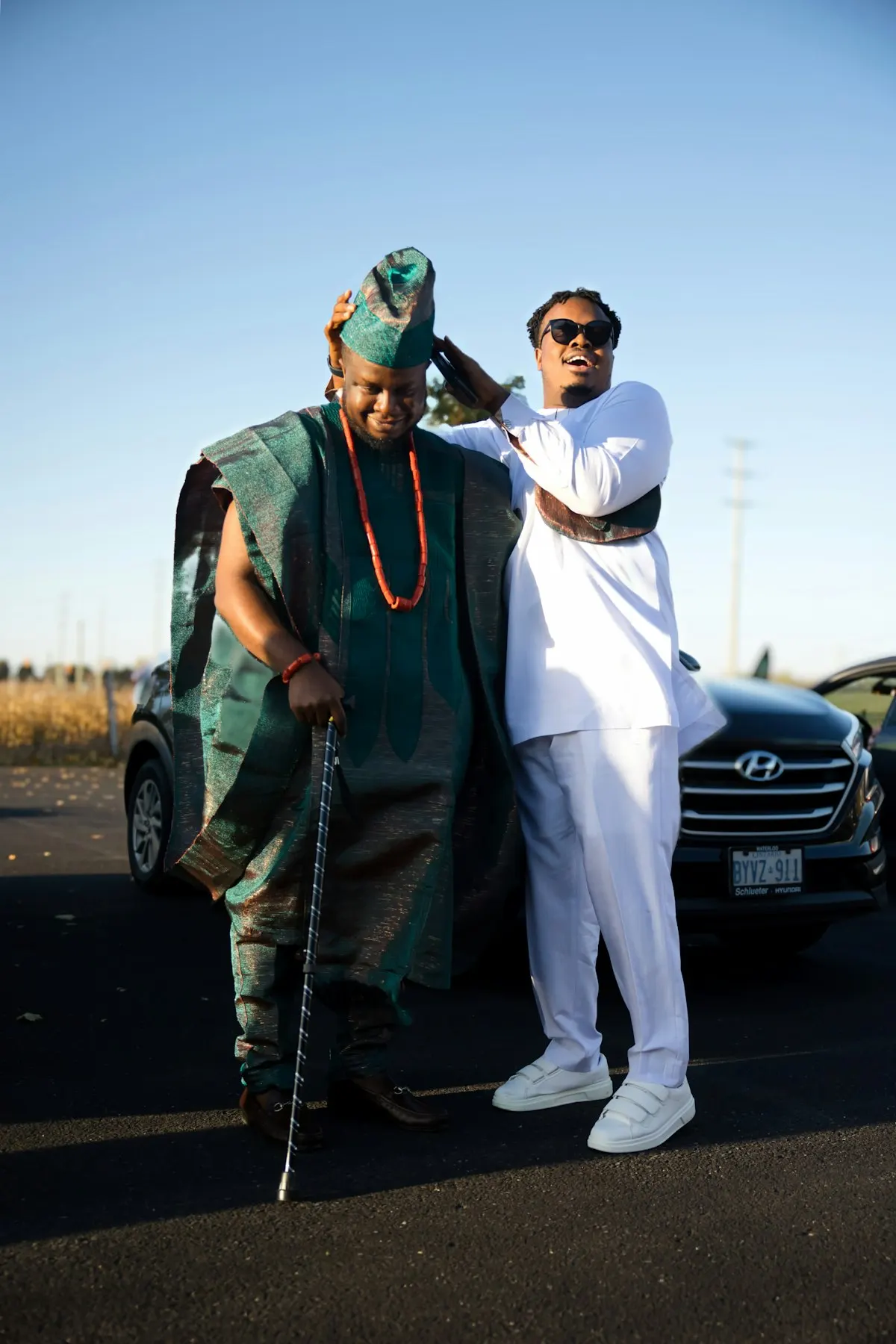
Photo: Susan Wilkinson on Unsplash.
How much do bridesmaid dresses cost in Nigeria in 2026?
A sewn bridesmaid dress costs roughly ₦20,000–₦35,000 at a budget wedding (₦15,000–₦25,000 fabric plus ₦5,000–₦10,000 tailoring), ₦42,000–₦85,000 mid-range and ₦110,000–₦210,000 at a premium Lagos wedding. These are the same fabric and tailoring ranges we publish in our chief bridesmaid duties and costs guide.
| Wedding level | Fabric or dress | Tailoring | Dress total |
|---|---|---|---|
| Budget | ₦15,000–₦25,000 | ₦5,000–₦10,000 | ₦20,000–₦35,000 |
| Mid-range | ₦30,000–₦60,000 | ₦12,000–₦25,000 | ₦42,000–₦85,000 |
| Premium | ₦80,000–₦150,000 | ₦30,000–₦60,000 | ₦110,000–₦210,000 |
Shoes, gele or hair and makeup sit on top of that. On the same guide's ranges, they add about ₦16,000 to ₦380,000 depending on the wedding.
What pushes the price up:
- Fabric choice. French lace and heavy beaded fabric cost several times more than plain satin or chiffon.
- Structure. Corsets, boning and heavy beadwork take a tailor far longer than a simple A-line.
- Timing. Tailors raise prices, or stop taking orders, as December approaches. Rush jobs cost extra.
- City and tailor. A well-known Lagos or Abuja designer charges more than a neighbourhood tailor for the same style.
- Group size. Some fabric sellers give a lower per-yard price when a bridal train buys together. Ask.
Should you sew or buy a ready-made bridesmaid dress?
Sewing is still the default in Nigeria because it fits better and matches the bride's fabric exactly. Ready-made makes sense when the bridal train is small, the wedding is close, or the bride wants a specific shop-bought style. Ready-made sizes vary a lot, so expect to pay a tailor for adjustments.
On 7 November 2026, a Jiji search for "bridesmaid dress" returned 19 listings across Nigeria. The bridesmaid-style dresses asked between ₦25,000 and ₦70,000:
| Jiji listing (7 Nov 2026) | Asking price |
|---|---|
| Satin A-line V-neck maxi dress | ₦25,000 |
| Off-shoulder white trumpet bridesmaid dress | ₦50,000 |
| Used champagne-gold beaded bridesmaid dress, size 12/14 | ₦70,000 |
| Tailor in Benin City advertising custom sewing | from ₦20,000 |
These are asking prices from public listings, not sold prices, and that's a small sample, so treat them as a rough guide. To check current prices, search Jiji or Instagram for "bridesmaid dress" or "satin maxi dress", filter by your city, and ask sellers for the exact measurements before paying. Never pay in full for a dress you haven't seen in a video.
Who pays for bridesmaid dresses in Nigeria?
In most Nigerian weddings, bridesmaids buy their own fabric, often at a price the bride has agreed with a seller, and pay their own tailor. Some brides cover the fabric for the chief bridesmaid or the whole train. Agree it in writing (a WhatsApp message is fine) before anyone buys.
Three common set-ups:
- The bride buys the fabric in bulk and the bridesmaids pay her back at cost.
- The bride covers fabric; each bridesmaid pays her own tailor and accessories.
- The bride pays for everything for a small train of two or three close friends.
Whatever you choose, say it in the first message you send, not after everyone has said yes. Money that's mentioned late causes more bridal-train fallouts than any dress.
When should bridesmaids start sewing their dresses?
Buy fabric at least three months before the wedding and get it to tailors at least eight weeks before, with a fitting about three weeks out. For December weddings, move every date earlier, because tailors stop taking orders weeks ahead. Our December wedding guide explains why the season gets so busy.
Bridesmaid dress checklist
- Bride confirms colour, fabric and any church dress rules (12 weeks out)
- Money agreed in writing: who pays for fabric, tailoring and extras
- Fabric bought from one seller and one batch, so the shade matches (10–12 weeks)
- Each bridesmaid shares her chosen style with the bride for approval
- Fabric with tailors, with a firm delivery date at least one week before the wedding (8 weeks)
- First fitting (3 weeks)
- Final collection and try-on with shoes (1 week)
- Steamer, safety pins, fashion tape and a spare shawl in the chief bridesmaid's kit (wedding day)
My mild opinion: let bridesmaids choose their own cut from the agreed fabric. Forcing one tight mermaid style on six women with six different bodies is how you get one beautiful photo and five quietly unhappy friends.
Frequently asked questions
How much is a bridesmaid dress in Nigeria?
A sewn bridesmaid dress costs roughly ₦20,000–₦35,000 at a budget wedding, ₦42,000–₦85,000 mid-range and ₦110,000–₦210,000 at a premium one in 2026, covering fabric and tailoring. On Jiji on 7 November 2026, ready-made bridesmaid-style dresses asked ₦25,000 to ₦70,000.
What is the best fabric for bridesmaid dresses?
Satin and chiffon are the most popular. Satin looks rich and holds structure but creases and shows sweat; chiffon is lighter and cooler, which suits outdoor and daytime weddings. Lace works if the bride wants the bridal train to match the aso-ebi.
Do bridesmaids pay for their own dresses in Nigeria?
Usually, yes. Most bridesmaids buy the agreed fabric and pay their own tailor, though some brides cover the fabric or the chief bridesmaid's outfit. Agree who pays for what in writing before anyone buys anything.
Can bridesmaids wear different styles?
Yes, and it's common in Nigeria. The bride picks the fabric and colour, and each bridesmaid chooses a cut that suits her body and budget. It looks coordinated in photos and keeps everyone comfortable through a long day.
How early should bridesmaid dresses be ready?
Have dresses collected at least one week before the wedding, with a fitting about three weeks before. For December weddings, start earlier: buy fabric three months ahead and get it to tailors at least eight weeks before the date.