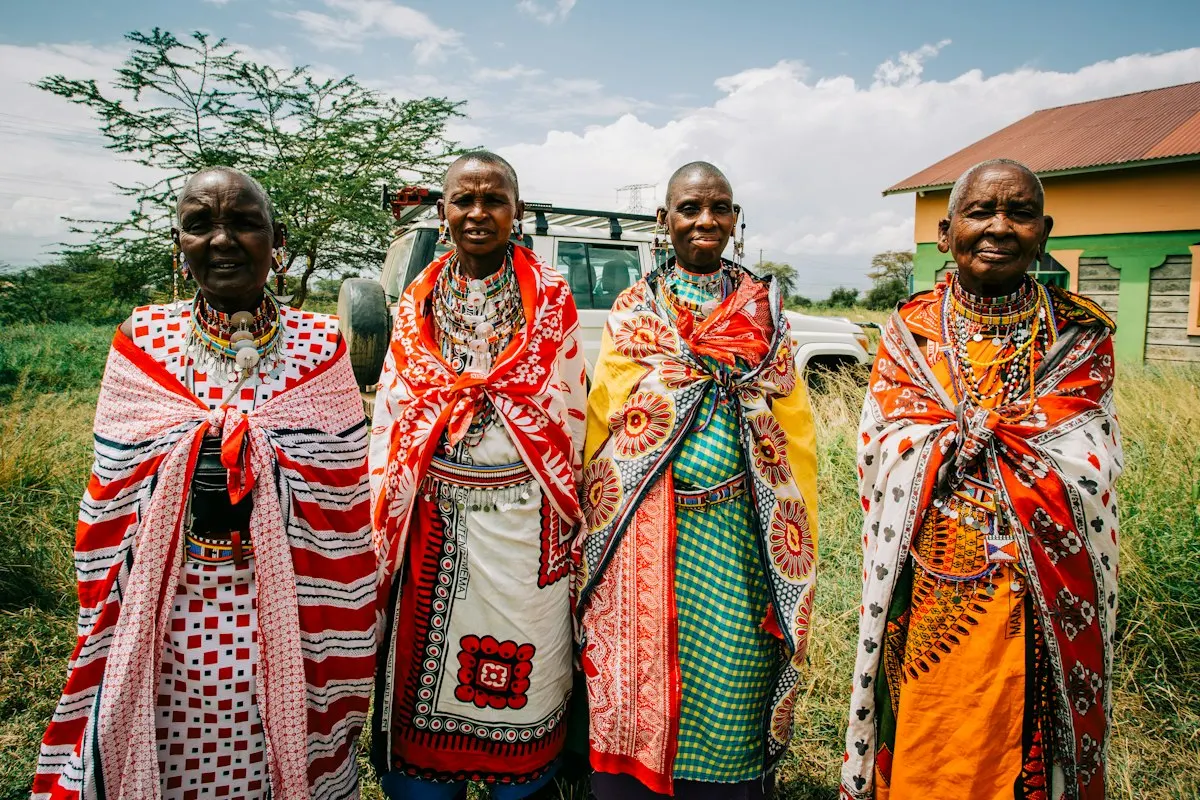
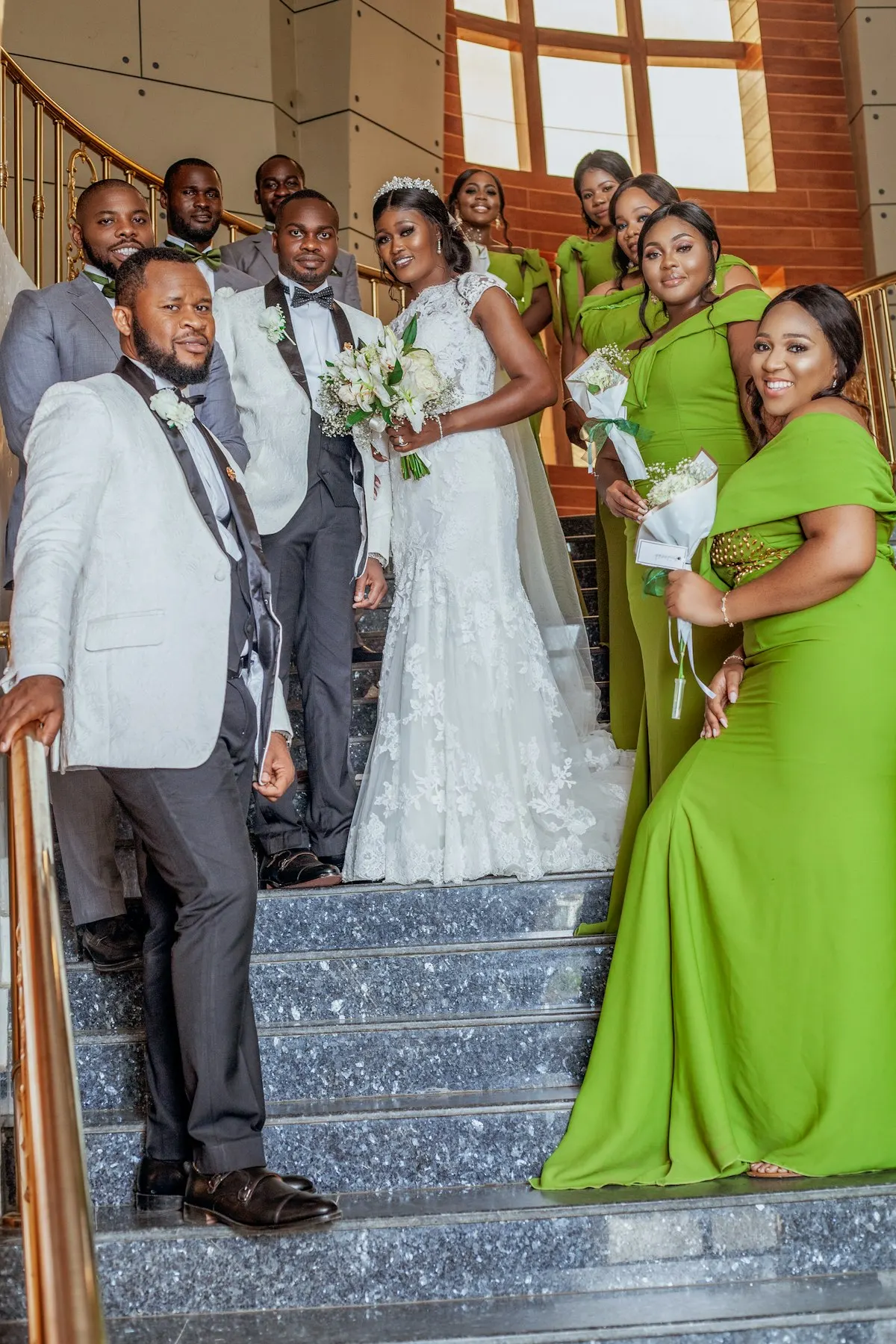
Traditional Marriage Outfits for Brides in Nigeria 2026
Yoruba, Igbo, Hausa, Edo & Efik Looks
The right dress for a traditional marriage in Nigeria depends on the bride's culture first and fashion second. A Yoruba bride wears aso-oke (iro, buba, gele and ipele), an Igbo bride wears a George wrapper set with coral beads, a Hausa bride wears lace or atampa with a veil and lalle henna, an Edo bride wears coral beads with the okuku hairstyle, and an Efik bride wears the onyonyo gown. Budget roughly ₦150,000 to ₦1.5 million for the bride's full look in 2026.
That range is wide on purpose. The fabric, whether you buy or rent the beads, and how many times you change during the day move the total far more than the style itself. Below is what each culture expects, what the pieces are called (so you can talk to your tailor and your mother-in-law in the same language), and where couples overspend.

What does a Yoruba bride wear for the traditional engagement?
A Yoruba bride wears a four-piece aso-oke set: the iro (wrapper), the buba (blouse), the gele (head tie) and the ipele (a sash over one shoulder). Aso-oke costs ₦30,000 to ₦500,000+ per set in 2026, from machine-woven at the low end to hand-woven sanyan and alaari at the top.
Most Yoruba brides plan two looks. The first is the entrance outfit, often a lighter colour, worn when she's led in veiled and the families "find" her. The second, after she's accepted the groom, is usually the richer aso-oke that matches his agbada and fila. Some brides add a third for the reception dancing, which is where budgets quietly double.
The gele is the piece people photograph. A stiff aso-oke gele holds the dramatic fan shape that looks good from the back row; a soft one collapses by evening. Book a gele tier for the day (₦15,000 to ₦50,000 in most cities, more for celebrity tiers in Lagos) rather than trusting a cousin with a YouTube tutorial. Honestly, it's the one place I'd never economise.
For fabric prices by weave, see our aso-oke price guide. For the groom's side of the same outfit, the groom outfit cost guide breaks down agbada and fila prices.
What does an Igbo bride wear for igba nkwu (wine carrying)?
An Igbo bride wears a George wrapper set, usually two wrappers tied at the waist and chest over a lace blouse, with coral beads at the neck, wrists and in the hair. Many add a beaded crown or a hand fan. Expect ₦200,000 to ₦1 million+ for the George, blouse and beads together, depending heavily on whether the coral is bought or rented.
The wine-carrying moment is the heart of the ceremony: the bride searches the crowd with a cup of palm wine and offers it to the groom. That means she's walking, kneeling and dancing in the outfit, so the wrappers need to be tied by someone who knows how. A badly tied George starts slipping by the second dance, and nobody wants to be the bride holding her wrapper with one hand and the cup with the other.
Real coral is the expensive part. Families who own heirloom beads lend them; most brides rent a full set (necklace, bracelets, earrings and hair pieces) from a bead rental vendor instead of buying. Plastic and glass imitations are everywhere, so if you're buying, buy from a seller someone in the family has used before.
Colour trends shift every season (gold, wine and emerald have been everywhere this year), but the families care less about the colour than whether the bride looks like an Igbo bride. Keep the coral.
What does a Hausa or Fulani bride wear?
A Hausa or Fulani bride typically wears rich lace, atampa or brocade with a matching veil (mayafi), gold jewellery, and lalle or kunshi henna on the hands and feet. The henna night (sa lalle) comes before the main ceremonies. A full set, with henna, usually costs ₦150,000 to ₦800,000.
Hausa weddings run over several days, so the bride often needs more outfits than a Yoruba or Igbo bride, just simpler ones. The Islamic marriage (fatiha) is usually conducted between the families' representatives, and the bride may not attend it at all; her big appearances come at the kamu, the dinner and the reception. If you're planning the full Northern programme, our nikkai and fatiha cost guide covers the ceremony side.
A good henna artist (mai lalle) books up weeks ahead in Kano and Kaduna in the dry season. Ask to see work on skin like yours, because henna shows differently on darker skin and the best artists adjust the paste and how long it sits.
What do Edo and Efik brides wear?
An Edo (Benin) bride wears coral beads (ivie) as a full collar, often with a coral-bead blouse or wrapper, and the okuku: a raised, sculpted hairstyle studded with coral. An Efik bride wears the onyonyo, a flowing gown with full sleeves, usually paired with coral and a matching head piece. Both looks lean on beads more than fabric.
The okuku is a job for a specialist hairstylist, not your regular salon. It takes hours, so schedule it first on the day and build the rest of the timeline around it. The onyonyo, by contrast, is mostly a tailoring job: the volume in the gown has to sit right on the shoulders or it photographs as shapeless.
Brides marrying into these families often worry about getting it wrong. Ask your future mother-in-law to name one trusted vendor for beads or the okuku. You get a vendor who knows the tradition, she gets to be involved early, and that costs nothing.
How much does a full traditional marriage outfit cost in 2026?
Most brides spend ₦250,000 to ₦700,000 on their full traditional look in 2026: fabric, tailoring, head tie or hairstyle, beads and makeup. The low end is one outfit with rented beads; the top end is two or three outfit changes with hand-woven fabric and a celebrity gele tier or makeup artist.
| Item | Budget | Mid-range | Premium |
|---|---|---|---|
| Fabric (aso-oke, George, lace or brocade) | ₦30K–₦80K | ₦100K–₦250K | ₦300K–₦600K+ |
| Tailoring per outfit | ₦15K–₦40K | ₦50K–₦120K | ₦150K–₦300K |
| Gele tying or specialist hair (okuku) | ₦15K–₦25K | ₦30K–₦60K | ₦80K–₦200K |
| Beads (rented) | ₦20K–₦40K | ₦50K–₦120K | ₦150K+ (or bought) |
| Makeup | ₦30K–₦60K | ₦80K–₦150K | ₦200K–₦400K |
| Typical total, one look | ₦110K–₦245K | ₦310K–₦700K | ₦880K–₦1.5M+ |
These are rough 2026 ranges, not quotes, and they move with the naira and the season (December prices run higher everywhere). Each extra outfit change adds most of the fabric and tailoring cost again, but not the beads or makeup.

Where do brides overspend?
On the third outfit. A second change makes sense if the ceremony has two clear halves. A third, worn for forty minutes of dancing, often costs as much as the first and appears in very few of the photos anyone looks at later. Spend that money on the makeup artist staying for touch-ups instead.
When should you order a traditional wedding outfit?
Order the fabric 10 to 12 weeks before the wedding and get it to your tailor at least 8 weeks out, with two fittings before collection. Hand-woven aso-oke can take 4 to 6 weeks to weave alone, and busy tailors stop taking December orders by early November.
- 12 weeks out: choose fabric and colours with the groom's family, and order aso-oke if it's being woven.
- 8 weeks out: fabric to the tailor; book the gele tier, makeup artist, bead rental and henna artist.
- 4 weeks out: first fitting, wearing the shoes you'll actually wear.
- 2 weeks out: final fitting; collect beads and confirm the stylist's arrival time.
- The day before: lay every piece out together, including pins, inner wrappers and a spare head tie.
If you're still putting the rest of the day together, our Nigerian traditional marriage list covers what the groom's family brings, and the Igbo, Yoruba and Hausa wedding checklist covers the programme.
Frequently asked questions
What is the best dress for a traditional marriage?
The best dress is the one your culture expects, made in a fabric that photographs well: aso-oke for a Yoruba bride, George with coral for an Igbo bride, lace with a veil for a Hausa bride, coral and okuku for an Edo bride, and onyonyo for an Efik bride. Agree the colour with both families first.
Can a bride rent her traditional wedding outfit?
Yes. Many brides rent coral beads, crowns and even whole outfits, especially for a second or third look. Renting the beads alone saves the most, because real coral is usually the most expensive part of an Igbo or Edo bride's look.
How many outfits does a bride wear at a traditional wedding?
Most brides wear two: an entrance outfit and the main ceremony outfit that matches the groom. Some add a third for the reception. Two looks cover most ceremonies; a third rarely shows up in the photos you'll keep.
Do the bride and groom have to match?
They don't have to, but most couples do for the main ceremony. The usual approach is the same fabric or colour family for the bride's iro or wrapper and the groom's agbada or isiagu, with the families' aso-ebi in a complementary colour.
How much is aso-oke for a bride in 2026?
A complete bridal aso-oke set (iro, buba, gele and ipele) costs about ₦30,000 to ₦80,000 machine-woven, ₦80,000 to ₦250,000 hand-woven, and ₦300,000 to ₦500,000+ for premium sanyan or alaari with intricate patterns.
Estimate your budget with the free cost calculator, or browse all planning guides.